Simple Wheelchair: A Practical Guide to Basic Mobility Solutions
When mobility needs are straightforward, a simple wheelchair offers an affordable, easy-to-use solution. Unlike complex models with advanced features, these wheelchairs focus on core functionality, making them ideal for short-term use or everyday tasks. This guide answers all your questions about simple wheelchairs, from their design to how to choose, use, and maintain one.
What is a simple wheelchair?
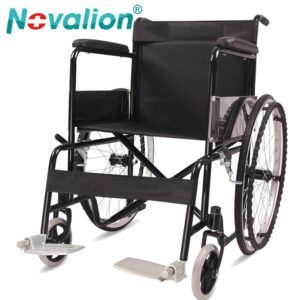
A simple wheelchair is a basic mobility device designed for straightforward use, prioritizing simplicity over advanced features. It typically has a lightweight frame (often steel or aluminum), four wheels (two large rear wheels with hand rims for self-propulsion, two small front casters), fixed armrests, and basic footrests. These wheelchairs lack complex adjustments like tilt functions, customizable seating, or motorized components—instead, they focus on essential mobility: moving safely over smooth surfaces such as indoor floors, sidewalks, or hospital corridors. They’re often foldable for easy storage and transport, making them practical for home use, travel, or temporary needs like post-surgery recovery.
How does it differ from complex wheelchairs?
The key contrast lies in design focus and functionality:
- Features: Complex wheelchairs (e.g., electric, bariatric, or custom-fitted models) include advanced elements like motors, adjustable seat angles, pressure-relief cushions, or reinforced frames for heavy weights. Simple wheelchairs skip these, offering only the basics: a stable seat, pushable wheels, and brakes.
- Intended use: Complex wheelchairs are built for long-term, specialized needs—e.g., electric models for users with limited upper strength, or bariatric models for higher weight capacities. Simple wheelchairs excel in short-term or light use, such as temporary mobility issues or occasional outings.
- Cost and maintenance: Simple wheelchairs are far more affordable (typically 150–400) than complex models (which can cost $1,000+). They also require less maintenance, as they have fewer moving parts to repair or replace.
- Portability: Most simple wheelchairs fold compactly, fitting into car trunks or small storage spaces. Complex wheelchairs, especially electric ones, are often bulkier and harder to transport.
Who can benefit from a simple wheelchair?
- Temporary mobility users: Individuals recovering from injuries, surgeries, or illnesses (e.g., a broken leg or post-hip surgery) who need short-term assistance getting around.
- Older adults with mild mobility issues: Seniors who struggle with long walks but don’t require the advanced support of a complex wheelchair for daily use.
- Caregivers assisting others: Simple wheelchairs are easy for caregivers to maneuver, making them useful for transporting loved ones to doctor’s appointments, grocery stores, or social outings.
- Travelers: Their foldable design and lightweight build (often 25–35 lbs) make them ideal for trips, whether by car, plane, or public transit.
What should you consider when choosing a simple wheelchair?
- Weight and foldability: If you’ll transport the wheelchair frequently, prioritize a lightweight (under 30 lbs) foldable model. Check how compact it folds—measure your car trunk or storage space to ensure it fits.
- Weight capacity: Most simple wheelchairs support 250–300 lbs. Choose a model that exceeds the user’s weight to ensure safety; avoid overloading, as it can damage the frame.
- Comfort: Even basic models should have a padded seat and backrest to prevent discomfort during use. Look for removable footrests and armrests if the user needs easy transfers (e.g., from a bed to the chair).
- Brakes and maneuverability: Test the brakes to ensure they lock securely, especially on slight inclines. The wheelchair should roll smoothly with minimal effort—important for both self-propelled use and caregiver pushing.
How to use a simple wheelchair safely?
- Pre-use checks: Before each use, inspect the brakes to ensure they engage properly, and check that wheels are secure (no loose spokes or wobbly casters).
- Transfers: Always lock the brakes before getting in or out of the chair to prevent movement. Use armrests for support, and avoid leaning too far forward or sideways, which can cause tipping.
- Maneuvering: Push the hand rims evenly for smooth movement. When turning, take wide arcs to avoid hitting obstacles. On uneven surfaces (e.g., sidewalk cracks), slow down to maintain control.
- Transport safety: When loading a folded wheelchair into a car, lift with your legs (not your back) to avoid injury. Secure it with straps during transport to prevent shifting.
What maintenance does a simple wheelchair need?
- Regular cleaning: Wipe down the frame, seat, and armrests with a damp cloth and mild soap to remove dirt and germs—especially after use in public spaces. This prevents grime buildup that can wear down the frame.
- Wheel and brake care: Check tire pressure (for pneumatic tires) weekly; under-inflated tires make pushing harder and wear faster. For solid tires, inspect for cracks. Lubricate wheel axles every few months to keep movement smooth. Test brakes monthly—tighten loose screws or replace worn pads if they don’t lock securely.
Frame inspection: Look for rust (on steel frames) or loose bolts. Treat rust with a rust-resistant spray, and tighten any loose hardware to maintain stability.
Where can you buy a simple wheelchair?
- Online retailers: Amazon, Walmart, and eBay offer a wide range of simple wheelchairs, with customer reviews to guide your choice. Many include free shipping and easy returns.
- Medical supply stores: Local shops or chains (e.g., Walgreens, CVS) let you test the wheelchair in person, ensuring it feels comfortable and easy to maneuver.
- Rental options: For short-term needs (e.g., a 6-week recovery), consider renting from medical supply companies—this is often cheaper than buying.
A simple wheelchair proves that mobility solutions don’t need to be complex. By focusing on essential features, affordability, and ease of use, it meets the needs of users with temporary or light mobility requirements, helping them stay independent without unnecessary hassle.
Thank you for reading this, dear, if you have any suggestions about our website or want to know about wheelchair, please contact us. We will respond quickly.