Pedal Wheelchair: A Complete Guide to Foot-Powered Mobility
For individuals seeking a mobility device that blends independence with physical activity, the pedal wheelchair offers a unique solution. Combining the functionality of a wheelchair with the propulsion of a bicycle, it empowers users to move using leg strength—an alternative to manual pushing. This guide answers all your questions about pedal wheelchairs, from their design to how to choose, use, and maintain one.
What is a pedal wheelchair?
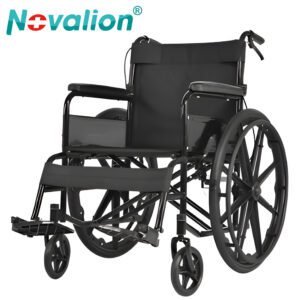
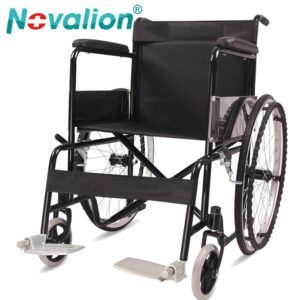
A pedal wheelchair is a mobility device designed to be propelled primarily by foot pedals, similar to a bicycle, rather than solely by hand rims (like standard manual wheelchairs). It features a frame with two large rear wheels connected to a pedal system, often paired with smaller front casters for stability. Most models also include hand rims as a backup, allowing users to switch between foot and hand propulsion as needed. The pedal mechanism is engineered to transfer leg movement into forward motion efficiently, making it ideal for users with sufficient lower-body strength but limited endurance for walking long distances. They are typically lightweight, maneuverable, and designed for both indoor and outdoor use on smooth surfaces.
How does it differ from a standard manual wheelchair?
The key distinction lies in propulsion, which shapes usability:
- Movement source: Standard manual wheelchairs rely entirely on upper-body strength to push hand rims. Pedal wheelchairs shift the effort to the legs, reducing strain on the arms and shoulders—beneficial for users prone to fatigue in the upper body.
- Efficiency over distance: Pedaling generates more sustained momentum than hand-pushing, making pedal wheelchairs better for longer trips (e.g., navigating a campus or neighborhood) without tiring quickly.
- Physical engagement: Unlike standard wheelchairs, which focus on upper-body movement, pedal models encourage leg activity, which can support muscle maintenance and cardiovascular health—especially useful for users in rehabilitation.
- Design nuances: Pedal wheelchairs often have a lower seat height to align legs with pedals, and some include a chain or belt drive system (similar to bikes) that standard wheelchairs lack.
Who can benefit from a pedal wheelchair?
- Users with functional leg strength: Individuals with partial mobility in their legs (e.g., those with mild paralysis, arthritis, or post-stroke recovery) who can push pedals but struggle with walking long distances.
- People with upper-body limitations: Those with shoulder or arm injuries, chronic pain, or conditions like muscular dystrophy that make hand-pushing a standard wheelchair difficult.
- Active users: Individuals who want to stay physically active while moving—pedaling provides low-impact exercise that supports overall fitness.
- Rehabilitation patients: Those recovering from leg injuries or surgeries, as pedal wheelchairs allow controlled movement to rebuild strength without full weight-bearing.
What features should you look for when choosing one?
- Pedal system design: Opt for adjustable pedals (height and angle) to fit the user’s leg length and range of motion. A smooth, low-resistance pedal mechanism reduces strain—test it to ensure pedaling feels natural.
- Hand rim inclusion: Choose a model with functional hand rims for backup, especially for tight spaces (e.g., elevators) where pedaling may be awkward.
- Seat comfort and adjustability: The seat should be padded and supportive for long use. Look for adjustable backrests to maintain good posture, which reduces fatigue.
- Weight and portability: Lightweight frames (aluminum is ideal) make the wheelchair easier to transport. If you need to load it into a car, check if it folds—though some pedal models are less foldable than standard wheelchairs due to the pedal system.
- Brakes: Reliable brakes are critical. Look for both hand brakes (to stop quickly) and a parking brake to secure the chair when stationary, especially on inclines.
How to use a pedal wheelchair safely?
- Start slowly: Practice pedaling in a flat, open space to get used to the rhythm—pedal wheelchairs can move faster than standard ones, so mastering control is key.
- Brake usage: Use hand brakes gradually to avoid sudden stops, which can cause tipping. Engage the parking brake before transferring in or out of the chair.
- Avoid steep terrain: Pedal wheelchairs work best on flat or gently sloped surfaces. Steep hills can strain the legs or make braking difficult—use hand rims or seek assistance for inclines.
Posture maintenance: Sit upright with feet firmly on the pedals to prevent slouching, which can lead to back pain. Adjust the seat and backrest to ensure proper alignment.
What maintenance is required?
- Pedal and drive system care: Regularly check the chain, belt, or gears (if present) for dirt or wear. Clean with a dry cloth and lubricate moving parts (e.g., pedal axles) monthly to keep them running smoothly.
- Wheel and tire upkeep: Inspect tires for pressure (pneumatic models) or cracks (solid tires) weekly. Tighten loose spokes to prevent wheel wobble, which can affect control.
- Brake checks: Test brakes weekly to ensure they engage fully. Adjust or replace brake pads if they feel loose or worn—faulty brakes are a major safety risk.
- Frame inspection: Wipe down the frame with a damp cloth to remove dirt. Check for loose bolts (especially around the pedal system) and tighten them to maintain stability.
Where can you buy a pedal wheelchair?
- Specialized mobility stores: These retailers offer in-person testing, allowing you to try different models and ensure the pedal system fits your needs. Brands like Invacare or Sunrise Medical often carry pedal options.
- Online mobility retailers: Websites like 1800wheelchair.com or novalion-med.com provide a range of models with detailed descriptions and customer reviews. Look for return policies in case the fit isn’t right.
- Rehabilitation centers: Healthcare providers may recommend specific models based on your mobility needs, and some centers offer rental options for short-term use (e.g., during recovery).
Pedal wheelchairs bridge the gap between mobility aid and exercise tool, offering a dynamic way to stay independent. By prioritizing features like adjustable pedals, backup hand rims, and reliable brakes, you can find a model that fits your body and lifestyle—turning daily movement into an opportunity to stay active.
Thank you for reading this, dear, if you have any suggestions about our website or want to know about wheelchair, please contact us. We will respond quickly.