Standard Manual Wheelchair: 5 Key Questions Answered—From Structure to Maneuverability & User Fit
A standard manual wheelchair is a cornerstone of mobility for millions, valued for its simplicity, reliability, and affordability. Unlike powered models, it relies on manual propulsion—either by the user (via hand rims) or a caregiver (via push handles)—making its design and functionality critical to daily use. If you’re considering one for yourself or a loved one, understanding its structure, how it moves, and whether it fits your body is essential. Here are the 5 most pressing questions answered.
1. What Makes Up the Structure of a Standard Manual Wheelchair?
The design is purpose-built for balance, durability, and ease of use. Key components include:
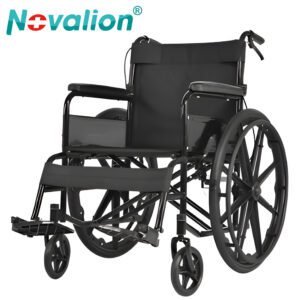
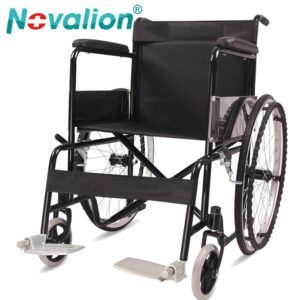
- Frame: Typically made of steel (heavier, 35–45 lbs) or aluminum (lighter, 28–35 lbs). Steel frames are more affordable and durable for heavy use; aluminum frames are easier to lift and rust-resistant, ideal for frequent transport.
- Seat & Backrest: The seat is usually 16–18 inches wide (18 inches is standard) and 16–18 inches deep, with a backrest height of 16–18 inches (supporting the lower to mid-back). Upholstery is often vinyl (easy to clean) or mesh (breathable for long sits).
- Wheels: Large rear wheels (24 inches) with hand rims (for self-propulsion) and small front casters (5–6 inches) for steering. Pneumatic (air-filled) tires absorb bumps, while solid rubber tires avoid flats—great for indoor use.
- Accessories: Removable armrests (for easy transfers) and swing-away footrests (adjustable in height) come standard, though some models add padded armrests or anti-tip bars for extra safety.
2. How Maneuverable Is It? Can It Handle Tight Spaces or Outdoor Terrain?
Maneuverability depends on design, but standard manual wheelchairs excel in most daily environments:
- Indoor Use: A turning radius of 32–36 inches (tighter than many powered wheelchairs) lets it navigate hallways, kitchens, and elevators. The small front casters pivot smoothly around furniture legs or door thresholds.
- Outdoor Use: Pneumatic tires handle sidewalks and grass better than solid tires, though steep slopes may require a caregiver’s help (since self-propelling uphill is strenuous). Avoid rough terrain like gravel, which can catch casters.
- Self-Propulsion vs. Caregiver Use: Users with strong upper body strength can self-propel via rear hand rims; for others, caregivers push via the frame’s ergonomic handles, which are positioned for comfortable grip.
3. How Do I Ensure a Proper User Fit? What Sizing Details Matter Most?
A poor fit causes discomfort and even injury—prioritize these measurements:
- Seat Width: Measure the user’s hips at their widest point and add 2 inches. A 16-inch seat fits slimmer builds; 18 inches works for most adults; 20 inches suits larger frames. Too narrow causes pressure sores; too wide reduces stability.
- Seat Depth: The seat should support the thighs without pressing the back of the knees. Leave 1–2 inches of space between the seat edge and the knee to avoid cutting off circulation.
- Seat Height: 19–21 inches from the floor aligns with chairs, beds, and toilets, making transfers easier. For shorter users, opt for 17–19 inches (some models adjust via footrest height).
- Backrest Support: The backrest should reach the user’s lower shoulder blades to prevent slouching. Those with spinal issues may need a higher backrest (20+ inches) for added support.
4. How Durable Is It, and What Maintenance Does It Need?
With proper care, a standard manual wheelchair can last 3–5 years (or longer):
- Frame Longevity: Steel frames resist bending but can rust if scratched—touch up chips with paint. Aluminum frames are rust-proof but dent more easily, so avoid dropping or hitting curbs.
- Wheel & Bearing Care: Check tire pressure weekly (for pneumatic tires) to prevent flats. Lubricate wheel bearings every 3 months with silicone spray to keep rolling smooth. Tighten loose caster bolts monthly—wobbling casters make steering hard.
- Upholstery Maintenance: Wipe vinyl seats with mild soap to remove spills; mesh seats can be hand-washed (air-dry to avoid shrinkage). Replace worn upholstery (it tears over time) to prevent discomfort.
5. How Does It Compare to Lightweight or Powered Wheelchairs?
It’s a middle ground between specialized models, making it ideal for many users:
- Lightweight Manual Wheelchairs: Standard models are sturdier (supports 250–300 lbs vs. 200–250 lbs for lightweight) but heavier. Lightweight versions are better for frequent travel; standard ones suit daily, long-term use.
- Powered Wheelchairs: Standard manual wheelchairs cost less (typically $300–$800 vs. $1,500+ for powered), require no batteries, and are easier to transport. Powered models are better for users with limited upper body strength, but they’re bulkier and harder to store.
Final Thoughts
A standard manual wheelchair thrives on simplicity: it’s easy to use, maintain, and adapt to daily life. By focusing on structure, maneuverability, fit, and durability, you can find one that supports independence without unnecessary complexity.
Thank you for reading this, dear, if you have any suggestions about our website or want to know about wheelchair, please contact us. We will respond quickly.