
Ensuring Safety: Everything You Need to Know About Patient Lifters
In healthcare and home care settings, patient lifters are indispensable tools for safely transferring individuals with limited mobility—whether due to injury, disability, or chronic conditions. These devices not only enhance patient comfort but also protect caregivers from strain and injury. However, choosing the right patient lifters and using them correctly is critical to ensure safety for everyone involved. In this comprehensive guide, we’ll explore key considerations for selecting, operating, and maintaining patient lifters, helping you make informed decisions for your care environment.
1. Understand the Different Types of Patient Lifters
Patient lifters come in various designs to meet diverse needs. The two primary categories are:
Manual Patient Lifters
Ideal for low-frequency use or environments without electrical access, manual lifters rely on hydraulic or mechanical systems to lift patients. They’re lightweight and cost-effective, making them popular for home care. Our Manual Hydraulic Patient Lifter features a sturdy steel frame and adjustable height, ensuring smooth transfers while minimizing caregiver effort.
Electric/Power Patient Lifters
Powered by rechargeable batteries, electric lifters offer effortless operation for frequent use, reducing physical strain on caregivers. They’re perfect for healthcare facilities or homes with multiple patients. Look for models like our Electric Patient Lifter with Adjustable Leg Span, which combines high weight capacity (up to 250kg) with intuitive controls for safe, efficient transfers.

2. Prioritize Safety Features in Your Patient Lifters Selection
When choosing patient lifters, safety should be your top priority. Key features to look for include:
- Capacité de poids: Always verify the maximum load rating to ensure the lifter can safely support the patient. Underspecifying weight capacity risks instability and accidents.
- Stability Base: A wide, anti-tip base with adjustable leg spans (like those on our electric models) provides better balance on uneven surfaces, reducing the risk of tipping during transfers.
- Sling Compatibility: Ensure the lifter works with high-quality, certified slings designed for the patient’s condition (e.g., full-body slings for non-weight-bearing patients or toileting slings for hygiene routines).
Braking System: Lockable wheels are essential for securing the lifter during transfers, especially on slippery floors or inclined surfaces.
3. Proper Usage: Step-by-Step Safety Guidelines
Even the best patient lifters require correct operation to prevent accidents:
Before Use
- Inspect the lifter for loose parts, damaged slings, or flat batteries (for electric models).
- Position the patient comfortably on the sling, ensuring straps are securely fastened and weight is evenly distributed.
During Transfer
- Adjust the lifter’s base width to fit around the patient’s bed, chair, or toilet.
- Slowly raise the patient until their feet clear the surface, then move the lifter smoothly to the target location. Avoid sudden movements that could cause discomfort or imbalance.
- Always have a caregiver steady the lifter and communicate with the patient during the transfer to build trust and reduce anxiety.
After Use
- Lower the patient gently and disconnect the sling properly.
Store the lifter in a dry, accessible area, ensuring batteries (if applicable) are charged for the next use.
4. Maintenance Tips for Longevity and Safety
Regular maintenance keeps patient lifters functioning optimally:
- Lubrifier les pièces mobiles: Apply silicone-based lubricant to hinges and hydraulic pumps monthly to prevent rust and ensure smooth operation.
- Check Battery Life: For electric lifters, test battery performance weekly and replace old batteries promptly to avoid unexpected failures during transfers.
- Inspect Slings and Straps: Replace any sling showing signs of wear—frayed edges, weakened stitching, or stretched fabric—immediately, as damaged slings compromise safety.
5. Choose Quality for Peace of Mind
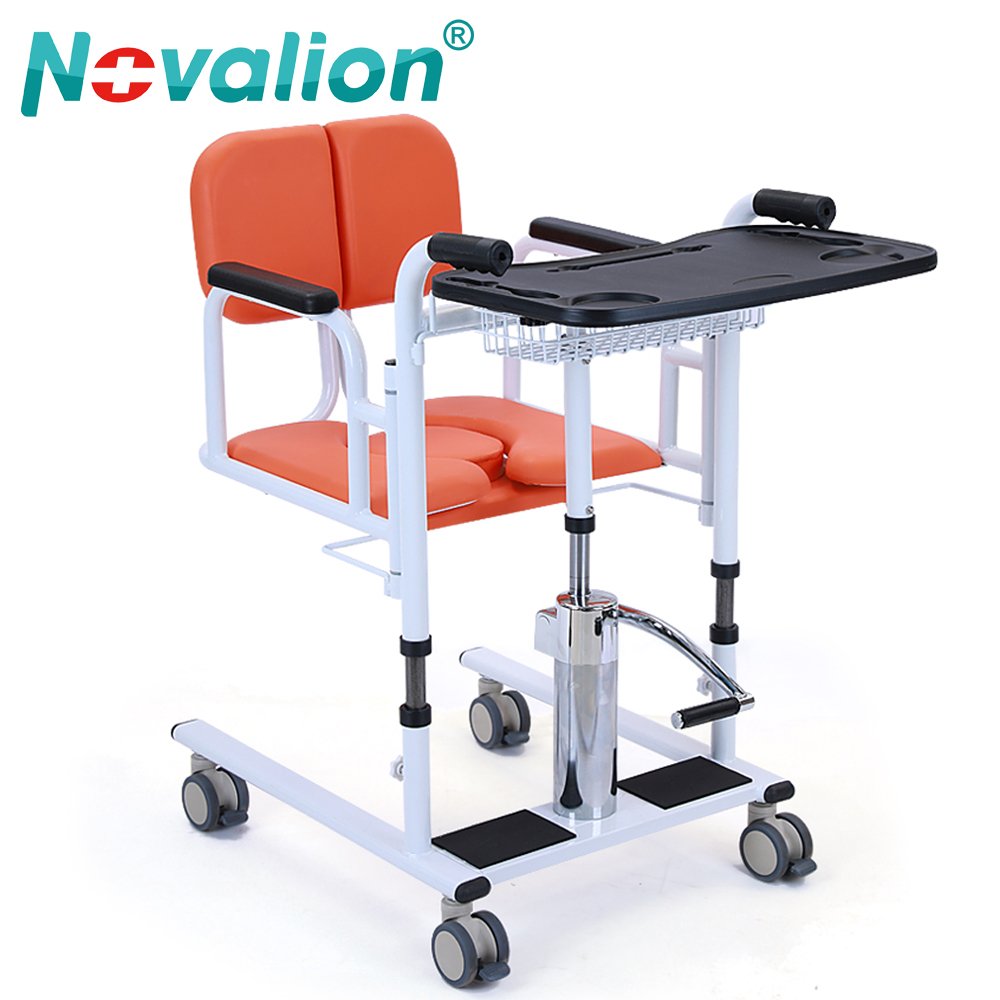
Investing in durable, certified patient lifters from trusted manufacturers reduces long-term risks. Novalion Medical’s lifters are engineered with healthcare-grade materials and undergo rigorous safety testing, ensuring reliability in even the most demanding environments. Whether you need a compact manual lifter for home use or a heavy-duty electric model for a nursing home, our patient lifters collection offers solutions designed to meet diverse care needs.
Conclusion: Safety Starts with Informed Choices
Patient lifters are more than just equipment—they’re a bridge to safer, more dignified care. By selecting the right type, prioritizing safety features, and following proper usage and maintenance protocols, you can create a secure environment for both patients and caregivers. At Novalion Medical, we’re committed to providing high-quality lifters that combine innovation with reliability, empowering you to deliver compassionate care with confidence.
Ready to enhance safety in your care setting? Explore our patient lifters collection today and discover solutions that put safety first.
D'autres équipements médicaux peuvent être trouvés dans notre site web ou notre whatsapp.