
Освоение мобильности: Советы по выбору и использованию костылей
Костыли - незаменимые помощники для людей, восстанавливающихся после травм, операций или страдающих нарушениями подвижности, обеспечивающие устойчивость и независимость при ходьбе. Независимо от того, являетесь ли вы пациентом, сиделкой или медицинским работником, выбор правильных костылей и их правильное использование жизненно важны для обеспечения безопасности и эффективности. В этом руководстве мы рассмотрим ключевые факторы, которые следует учитывать при выборе костылей, и поделимся советами экспертов по их правильному использованию, что поможет вам уверенно овладеть мобильностью.
1. Разберитесь в различных типах костылей
Не все костыли созданы одинаковыми - выбор подходящего типа зависит от состояния здоровья пользователя, его потребностей в передвижении и образа жизни. Наиболее распространенные типы включают.
- Подмышечные костыли (костыли для подмышек): Классический дизайн, идеально подходящий для кратковременного использования или временных травм. Они обеспечивают полную поддержку веса, но требуют правильной подгонки, чтобы избежать травм при надавливании на подмышку. Наш Регулируемые алюминиевые подмышечные костыли Легкие алюминиевые рамы и мягкие ручки обеспечивают комфорт при длительном использовании.
- Костыли для локтя (костыли для предплечья): Обеспечивают большую устойчивость и контроль для пользователей, которым нужна длительная поддержка. Манжеты для предплечий распределяют вес на руки, уменьшая нагрузку на подмышки. Идеально подходит для людей с частичной способностью переносить вес или хроническими заболеваниями.
- Платформенные костыли: Предназначены для пользователей с травмами кисти или запястья, поскольку позволяют переносить вес на платформу предплечья, а не на руки. Они отлично подходят для тех, кто не может удобно держаться за традиционные ручки.
Выбор правильного типа костылей - это первый шаг к безопасной и эффективной мобильности. Посетите наш коллекция костылей чтобы изучить варианты, отвечающие различным потребностям.
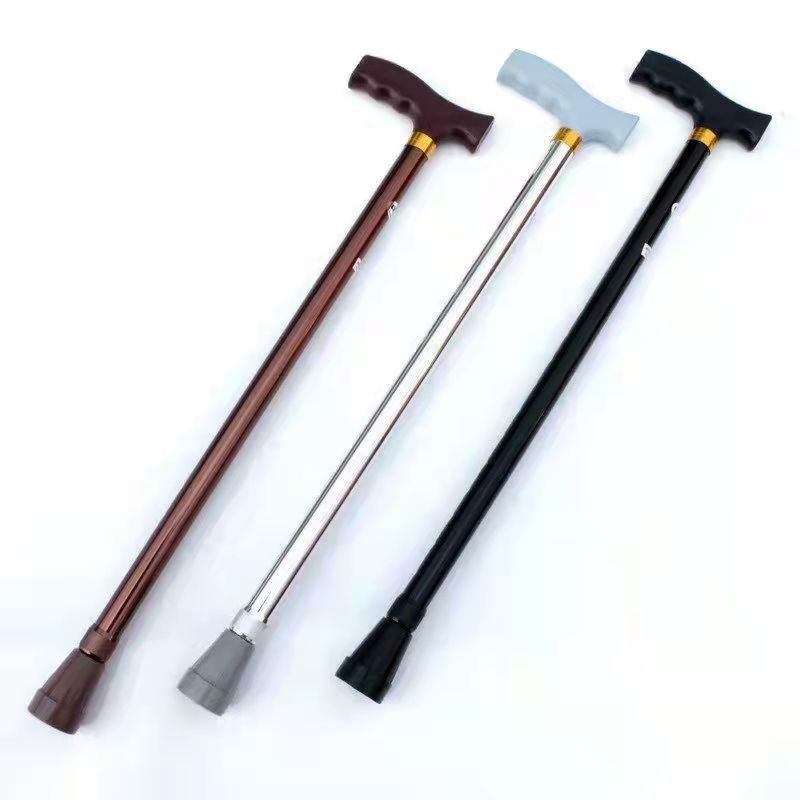
2. Обеспечьте правильную посадку для безопасности и комфорта
Неправильно подобранный костыль может привести к дискомфорту, растяжению мышц и даже к падениям. Вот как правильно отрегулировать костыли.
- Регулировка высоты: Встаньте прямо с босыми ногами (или в обуви, которую вы обычно используете). Верхняя часть костыля должна находиться на 1-2 дюйма ниже подмышки. Рукоятки должны быть на одной линии с вашими бедрами, поэтому локти должны сгибаться под углом 15-30°, когда вы держите их.
- Распределение веса: Всегда переносите вес на руки, а не на подмышки. Подмышки должны слегка опираться на подушечки костылей - никогда не используйте их для поддержки всего веса, так как это может повредить нервы и ткани.
- Устойчивость основания: Ищите костыли с нескользящими резиновыми наконечниками и широким основанием для лучшего баланса, особенно на гладких поверхностях. Своевременно заменяйте изношенные наконечники, чтобы сохранить сцепление с поверхностью.
3. Освойте основы ходьбы с костылями
Эффективное использование костылей требует практики и правильной техники.
Ходьба по ровной поверхности.
- Держите костыли немного впереди и по бокам от тела.
- Выдвиньте оба костыля вперед примерно на 6-12 дюймов, затем сделайте шаг вперед на пораженной ноге (если вес не переносится) или на более сильной ноге (если вес переносится частично).
- Следите за другой ногой, следя за тем, чтобы ваши шаги были ровными и контролируемыми.
Подниматься и спускаться по лестнице.
- Наверху: Ведите сильную ногу, затем поднимите костыли и больную ногу.
- Внизу: Сначала поставьте костыли на нижнюю ступеньку, затем опуститесь на больную ногу, а затем на сильную.
Всегда не торопитесь и используйте перила для дополнительной поддержки, если они есть.
4. Выбирайте прочные материалы для длительного использования
Материал, из которого изготовлены костыли, влияет на их вес, долговечность и стоимость.
- Алюминиевые костыли: Легкий, устойчивый к коррозии, идеально подходит для ежедневного использования. Наш Легкие алюминиевые костыли идеально подходят для пользователей, которым нужна мобильность без ущерба для прочности.
- Стальные костыли: Прочный и недорогой, подходит для пользователей, которым требуется максимальная грузоподъемность.
- Костыли из углеродного волокна: Самый легкий и дорогой вариант, который предпочитают активные пользователи или те, кому требуется минимум усилий при ходьбе.
Учитывайте ваши ежедневные условия эксплуатации: легкие материалы лучше всего подходят для помещений или частых поездок, а прочная сталь - для суровых условий эксплуатации.
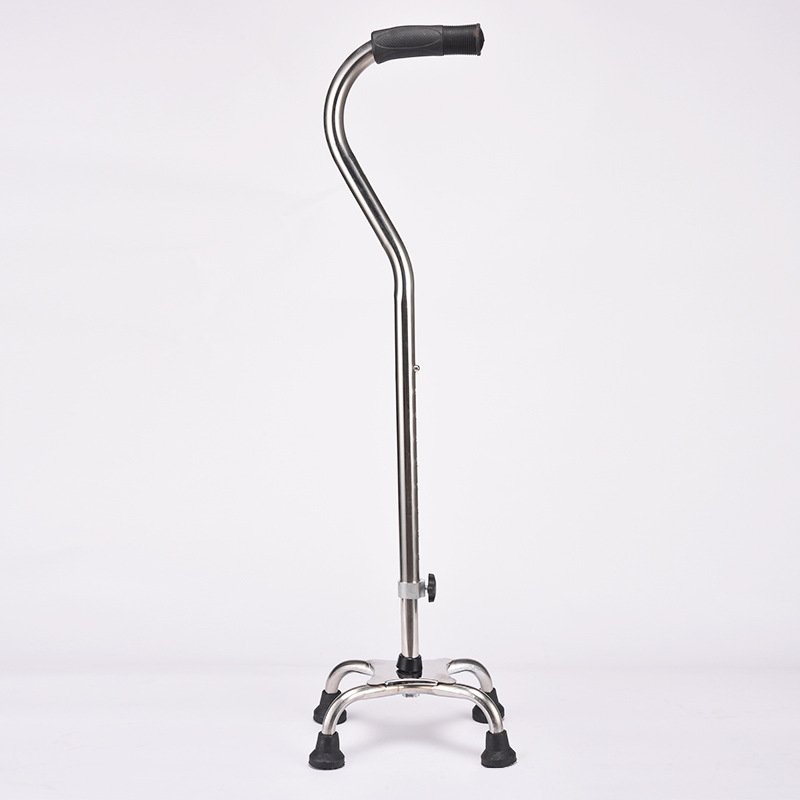
5. Уход за костылями для оптимальной работы
Регулярный уход обеспечивает сохранность и функциональность ваших костылей.
- Проверьте, нет ли ослабленных деталей: Еженедельно подтягивайте винты и болты, чтобы предотвратить шатание.
- Чистые подушечки и ручки: Протрите влажной тканью мягкую обивку, чтобы удалить пот и бактерии, что особенно важно при совместном использовании в медицинских учреждениях.
- Осмотрите наконечники и манжеты: Немедленно заменяйте изношенные резиновые наконечники и проверяйте манжеты предплечья на наличие признаков износа.
Заключение: Расширьте возможности передвижения с помощью правильных костылей
Костыли - это не просто вспомогательные приспособления, это инструменты для обретения независимости и уверенности в себе. Выбрав правильный тип, обеспечив правильную посадку и освоив технику использования, вы сможете безопасно и комфортно выполнять повседневные действия. В Novalion Medical представлен широкий ассортимент высококачественных костылей, разработанных для удовлетворения различных потребностей в передвижении, сочетающих в себе долговечность, регулируемость и удобство использования.
Готовы найти идеальное решение для мобильности? Изучите наш коллекция костылей сегодня и сделайте первый шаг к овладению мобильностью с легкостью.
Больше медицинского оборудования можно найти в наш сайт или наш Whatsapp.